


J-Series vs KMAX vs Super V: Comparing Common Bucket Tooth Systems
- Product Buying Guide
- September 10, 2026
By Construction Parts PNW Parts Team · Updated September 10, 2026
J-Series, KMAX and ESCO Super V are all familiar names in ground engaging tools, but they are separate bucket tooth systems. Add Cat K Series, ESCO Ultralok, Black Cat Revolution and Hensley to the mix, and a replacement that looks right from the front can still have the wrong pocket or lock.
Your replacement tooth must match the system and size of the adapter installed on the bucket unless you are planning a complete system conversion. Choose the tooth profile for the material after that fit is established.
This guide compares the systems by retention, identification and buying considerations. Start at the Bucket Teeth & Adapters hub for commercial system guides and catalog options.
Quick answer: J-Series vs KMAX vs Super V
Cat-style J-Series uses conventional horizontal side-pin retention. KMAX is associated with Komatsu applications and uses its own system-specific components. ESCO Super V has a different tooth-and-adapter interface with a dedicated locking pin. The names describe different fitment families, not three profiles that can be swapped onto one adapter.
For an existing bucket, the best starting point is the installed assembly. If a tooth number is readable, check the full number against the adapter and retaining hardware. If markings are missing, use the bucket tooth identification guide to gather useful photos and measurements.
Bucket tooth systems at a glance
The table is an identification aid, not an interchange chart. Applications vary by system size, adapter design and bucket configuration. On a small screen, scroll the table sideways to see every column.
| System | Association | Retention and identification clue | Common application context | CPNW resource |
|---|---|---|---|---|
| Cat-style J-Series | Caterpillar-style replacement ecosystem | Horizontal side pin; verify tooth, adapter, pin and retainer numbers | Excavation and loading with a matching J-Series assembly | J-Series guide |
| Cat K Series | Caterpillar | Twist-on tooth design and vertical retainer; exact hardware varies by size | Compatible Cat K-Series bucket assemblies | Cat parts support |
| KMAX | Komatsu-associated system | KMAX markings and specified system pin; K25/K30/K40/K50/K85 appear in replacement literature | Matching Komatsu-related excavator or loader bucket applications | Komatsu parts support |
| ESCO Super V | ESCO and compatible replacement market | Distinct interface and separate system locking pin; confirm V-size markings | Construction and material-handling buckets with matching Super V adapters | Super V guide |
| ESCO Ultralok | ESCO and compatible replacement market | Lock integrated into the tooth; confirm the U-series reference | Matching construction bucket assemblies | Ultralok guide |
| Black Cat Revolution RV | Black Cat | Dedicated hammerless system serviced with a socket wrench | Supported excavation and loading assemblies | Revolution guide |
| Hensley Parabolic | Hensley and compatible replacements | Match the pocket, adapter and complete part marking | Excavation and loading with matching Parabolic components | Hensley Parabolic guide |
| H&L Flexpin families | H&L and compatible replacements | Common 23/230 family uses horizontal Flexpin retention; other H&L families differ | Compatible construction and compact-equipment buckets | H&L guide |
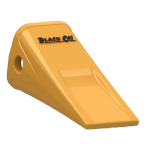
J-Series: a familiar side-pin system
J-Series is identified by its horizontal side-pin arrangement and matching adapter pocket. The conventional assembly uses a replaceable tooth, adapter, pin and separate retainer. A horizontal pin is a useful clue, but other systems also use horizontal retention, so check the numbers and interface before ordering.
J200, J250, J300, J350, J400, J450 and J550 are examples of different size designations. The number does not describe the machine model. Two buckets fitted to the same excavator can have different adapters and need different teeth.
The CPNW catalog includes long, tiger, twin-tiger and other Cat-style options. Select a profile only within the verified size. A product described as Cat style is a compatible replacement description; confirm its actual manufacturer on the listing or quote.
Useful buying check: Match the tooth number, adapter size and specified pin and retainer. If a category includes several sizes, use the individual product description rather than the category name as the final check.
KMAX: identify the Komatsu-associated family precisely
KMAX is not Caterpillar K Series. Black Cat replacement literature lists KMAX components for Komatsu applications, including K25, K30, K40, K50 and K85 references. Those designations must be read in their system context: a letter K in a part number is not enough to identify the tooth.
KMAX is described in supplier literature as a hammerless system. Verify the exact tooth, adapter and retaining component for the installed assembly, and use the corresponding service instructions. Do not substitute a conventional J-Series pin or a Cat K-Series retainer because the outside dimensions seem close.
Komatsu literature also refers to KMAX2. Record the full system name and markings instead of treating generations or similar names as interchangeable. A general Komatsu bucket-teeth category may contain other legacy tooth families, so it does not prove that every listed part is KMAX.
Useful buying check: Send the tooth and adapter markings, a close-up of the pin or lock, and the bucket information through the Part Finder. This is especially helpful when the prior purchase record says only "Komatsu tooth."
Not sure which tooth system is on your bucket?
Send photos of the tooth, adapter and retention hardware with any part numbers and machine information. The Construction Parts PNW Parts Team can help narrow down the system and size.
Super V: match the interface and locking pin
ESCO Super V uses a dedicated tooth-and-adapter interface and a separate locking pin. Tooth profile, system size and the retaining component all matter. A V-size reference is useful evidence, but confirm the complete part number and the adapter already installed.
Genuine ESCO products and compatible replacement products can appear in the broader market. "ESCO style" does not mean "manufactured by ESCO." The product listing or quote should identify the supplied brand and fitment reference. That distinction matters when comparing an existing genuine assembly with a replacement option.
Super V should also be distinguished from ESCO Ultralok. The ESCO brand connects the two systems, but their interfaces and retention arrangements are different. An Ultralok point is not a profile upgrade for a Super V adapter.
Useful buying check: Photograph the rear pocket and adapter nose, not just the tip. Include the separate locking pin or its opening in the photo set. Browse the Super V guide after the family is confirmed.
What about Cat K Series, Ultralok and Revolution?
Cat K Series is separate from KMAX
Caterpillar describes K Series as a twist-on system with vertical retention. Exact retention hardware and service methods depend on size. It should be identified by its own tooth and adapter references, not by the assumption that every "K" tooth belongs to the same family.
Ultralok integrates the lock into the point
ESCO describes Ultralok as a two-piece system with an integrated hammerless lock. The visible lock is a useful identifying feature. Service uses the specified pry tool and manufacturer procedure. Match the tooth size and adapter; do not transfer Super V pin-selection rules to Ultralok.
Revolution RV and RVJ need separate identification
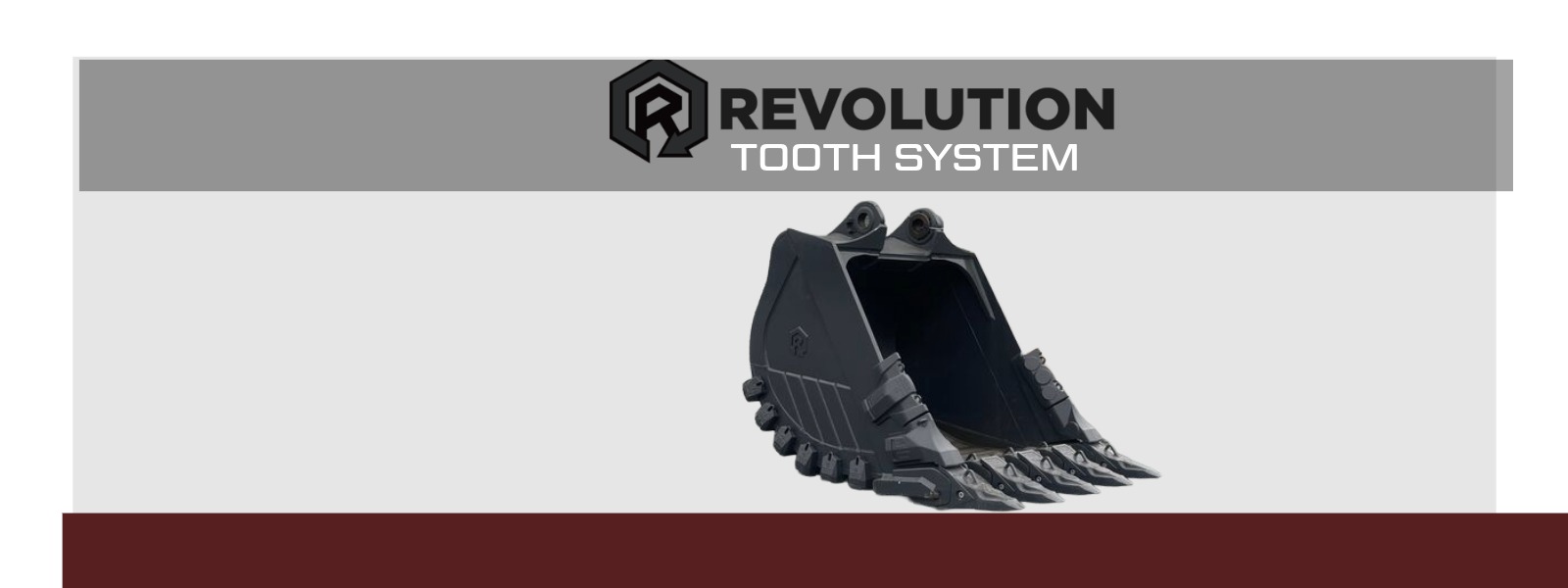
Black Cat Revolution RV is a dedicated hammerless tooth-and-adapter system. RVJ is a separate offering for supported J-style applications. A Black Cat brand name alone does not establish which family is installed, because the company also supplies replacement parts for other systems.
Record the full RV, RVJ or other family reference. The Revolution system guide explains the existing CPNW RV offering and provides a route to matching parts. See the separate Revolution RVJ guide for RVJ identification and ordering checks.
System, size and profile are three different decisions
A system determines the tooth-and-adapter interface and retention design. Size identifies the compatible components within that system. Profile describes the working shape of the point.
For example, a long tooth and a twin-tiger tooth may be available for the same verified J350 interface. Their tips do different work, while the required adapter size stays J350. A visually similar twin-tiger tooth from another system does not share that fit merely because the points look alike.
| Working priority | Profiles to discuss | Check before selecting |
|---|---|---|
| Everyday mixed digging | Standard or long | Correct interface, expected wear and working material |
| Penetrating compacted material | Penetration, tiger or twin tiger | Point strength and suitability for the actual material |
| Abrasive ground | Abrasion or heavy-duty profiles | Wear-metal distribution, clearance and available profiles in the confirmed size |
| Loading or cleanup | Suitable loader or flare profiles | Bucket geometry and the intended material-handling task |
These are selection starting points, not guarantees of performance. Match the profile to the work and review the manufacturer's application guidance for the actual part.
When does a system conversion make sense?
A conversion is a bucket-assembly decision. It may require new adapters, compatible teeth and retention components, and installation work appropriate to the bucket lip. It is not accomplished by forcing a new tooth family onto the old adapter.
Before comparing conversion options, record the existing adapter condition, lip thickness and geometry, tooth spacing, bucket application and expected material. Consider parts availability, service procedure and the total installed cost. If the current system is suitable and the adapter is sound, a matching replacement or a different compatible profile may address the need without a conversion.
An excessively worn or cracked adapter needs assessment. A new tooth cannot restore its fit surfaces. Secure the equipment before inspection and follow the relevant service and installation instructions.
Frequently asked questions
Are J-Series, KMAX and Super V interchangeable?
No. Each system has its own interface and retention requirements. Match the installed system and size, or evaluate a complete conversion with the required adapters and hardware.
Is KMAX the same as Cat K Series?
No. KMAX is associated with Komatsu applications. Cat K Series is a separate Caterpillar system with its own twist-on design and vertical retention.
Can I identify teeth from the excavator model?
The model helps, but the installed bucket is the deciding evidence. Replacement buckets, moved attachments and past conversions can change the tooth system.
Which tooth system is best?
There is no single best system for every bucket. For replacement parts, correct fit is the first requirement. For a conversion, compare the application, adapter condition, service procedure, availability and installed cost.
Can I change from a long tooth to a tiger tooth?
Often, a different profile can be selected within the same verified system and size. Confirm compatibility and application suitability for the exact part before ordering.
What photos help identify the system?
Send the full bucket, the tooth from the side and top, the rear pocket, adapter nose, retaining hardware and every readable marking. Include measurements with units and machine or bucket identification when available.
Related guides
Use How to Identify the Right Bucket Tooth System for the complete photo and identification workflow. For a used-equipment purchase, see Safeguard Your Investment When Buying Used Heavy Equipment.
Technical references
System descriptions were checked against manufacturer and authorized supplier literature. These references describe system design; they do not confirm fitment for an individual bucket.
- Caterpillar bucket tooth systems
- Black Cat Komatsu replacement teeth catalog
- McHale Komatsu KMAX system overview
- ESCO Super V system literature
- ESCO Ultralok system
- Black Cat Revolution RV
- H&L Flexpin identification
Find the right replacement before you order
Browse the Bucket Teeth & Adapters hub, send photos to the Part Finder, or request a quote. Call 253-255-1775 to discuss fitment and availability.
Construction Parts PNW helps equipment owners and parts buyers identify wear parts using component markings, photos, measurements and machine information. Confirm the supplied brand, exact part number and included hardware on your listing or quote.

Get Expert Help with Heavy Equipment Wear Parts
Have questions about wear parts, ground engaging tools, or equipment maintenance? Our experienced team is here to help. Construction Parts PNW works directly with contractors, municipalities, and fleet managers to identify the correct wear parts and solutions for excavators, loaders, dozers, graders, skid steers, and road maintenance equipment.
Whether you’re researching replacement options, troubleshooting wear issues, or planning seasonal maintenance, our team can help you find durable solutions that reduce downtime and extend equipment life. We support bucket teeth, cutting edges, rubber tracks, undercarriage components, sweeper brooms, and custom wear solutions for a wide range of equipment brands.
Submit a Part Finder Request and let our knowledgeable staff help you identify the right part for your machine.
Related

How to Identify the Right Bucket Tooth System for Your Excavator or Loader
Identify bucket teeth using casting numbers, adapter geometry, retention hardware and photos. Learn how J-Series, KMAX, ESCO, Hensley and other systems differ before ordering.
- Product Buying Guide
- September 10, 2026