

Caterpillar Forestry Equipment Parts
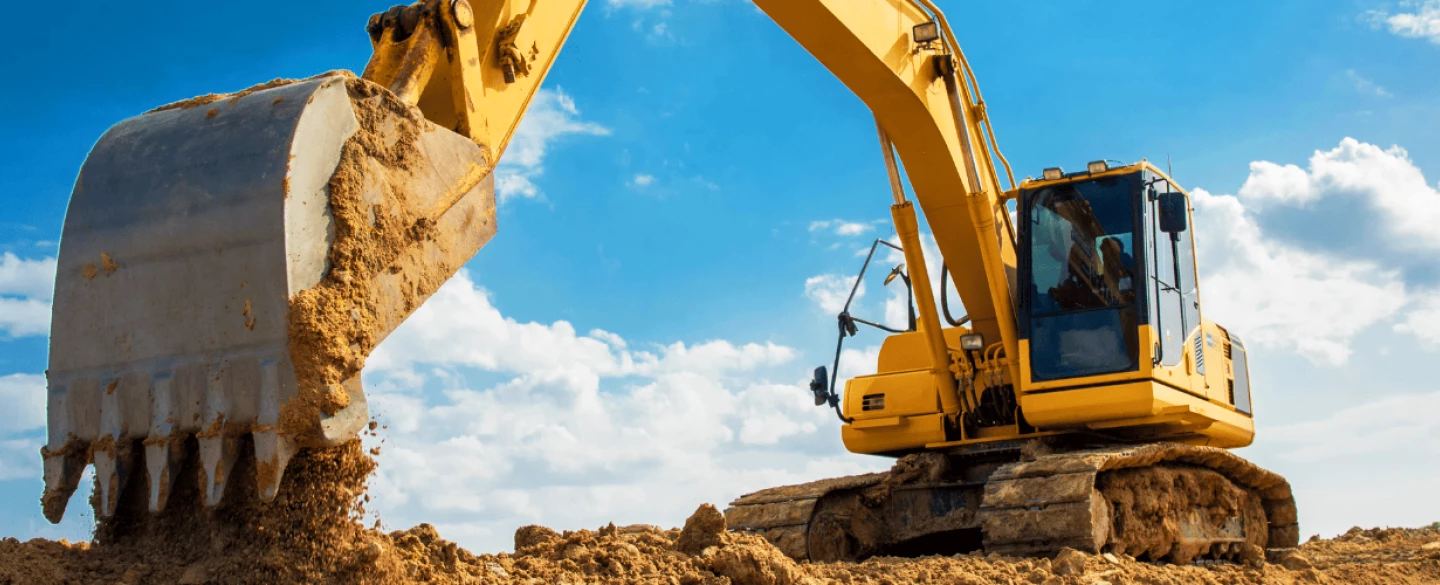
Aftermarket Caterpillar Forestry Equipment Parts
Construction Parts PNW helps forestry contractors source aftermarket undercarriage, cutting-system wear parts, guards, hardware, and related components for Caterpillar forestry machines. Applications such as felling, skidding, processing, loading, mulching, and road building expose equipment to impact, debris, mud, and abrasive ground conditions.
Begin with the complete model, serial number, and existing part number. Return to the Caterpillar Parts Hub for other Cat equipment families.
Forestry Undercarriage Parts
Tracked forestry machines may require track chains, shoes, rollers, idlers, sprockets, adjusters, recoil assemblies, guards, and mounting hardware. Forestry applications can produce uneven wear from slopes, stumps, debris, and frequent turning, making regular measurement and inspection important.
Track Chains, Shoes, and Hardware
Verify chain pitch, link count, shoe width, grouser configuration, and bolt pattern. Inspect loose hardware, cracked shoes, dry joints, and uneven rail wear.
Rollers, Idlers, and Sprockets
Check seals, flanges, tread surfaces, alignment, and chain engagement. Replace components according to measured condition and manufacturer service limits.
Cutting and Processing Wear Parts
Depending on the carrier and attachment, forestry wear components may include mulcher teeth, grinder tips, cutting tools, knives, holders, anvils, guards, and mounting hardware. Attachment make and model are essential because the carrier model alone usually cannot identify cutting-system parts.
Explore our forestry mulcher catalog and grinder tips for available product families.
Protection and Jobsite Wear Components
Forestry equipment relies on guards, belly pans, screens, wear plates, hose protection, pins, bushings, and high-strength hardware. Inspect structural mounting points and connected components whenever a damaged guard or wear part is replaced.
How to Identify the Correct Forestry Part
- Complete Caterpillar machine model and serial number
- Attachment manufacturer, model, and serial number
- Existing part, casting, or arrangement number
- Track dimensions and link count for undercarriage
- Tooth, knife, or holder dimensions for cutting systems
- Component location and left/right orientation
- Clear photos of the part and surrounding assembly
Use our Part Finder Request to send this information.
Common Forestry Equipment Wear Indicators
- Uneven or accelerated track-system wear
- Damaged guards or exposed hoses and structures
- Loose, rounded, or missing cutting tools
- Cracked holders or mounting hardware
- Excessive pin-and-bushing movement
- Abnormal vibration or reduced cutting performance
Clean debris from inspection areas and follow Caterpillar and attachment-manufacturer service procedures.
Caterpillar Forestry Parts FAQs
Is the carrier serial number enough to identify attachment parts?
Usually not. Attachment manufacturer, model, serial number, and existing component details are also needed.
Why do forestry undercarriages wear unevenly?
Slopes, debris, ground conditions, turning patterns, alignment, and track tension can all influence wear from side to side.
Can photos help identify an unmarked cutting tool?
Yes. Include multiple angles, overall dimensions, mounting details, holder information, and the attachment model.
Request Caterpillar Forestry Parts
Send machine and attachment details through our quote request, or call 253-255-1775.
Caterpillar Forestry Equipment Models We Support
511, 521, 522, 532, 541, 551 and 552.
Model pages will be linked as verified catalog and fitment information is completed.